Book Appointment

Rings and Engagement: A Complete Guide to Choosing the Perfect Symbol of Your Love
October 15th, 2026
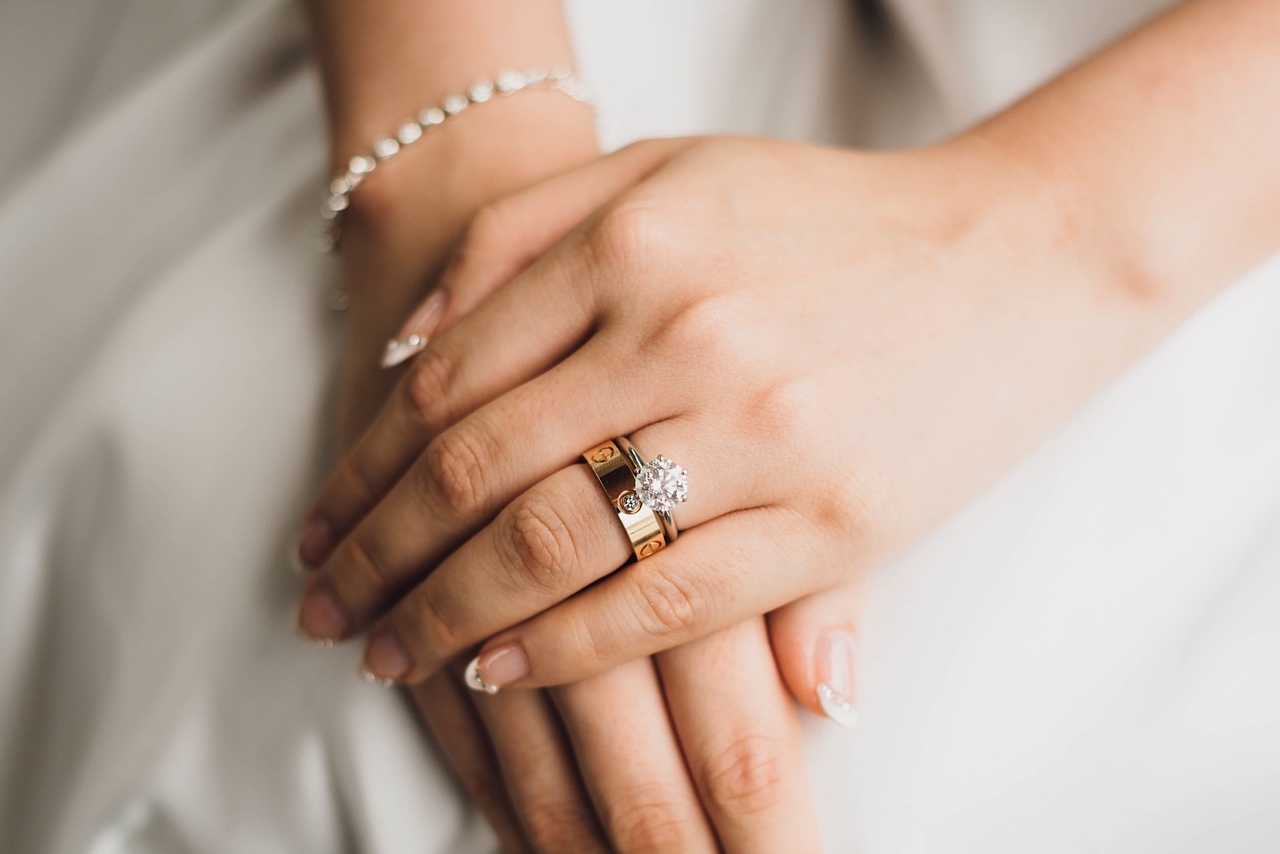
What an Engagement Ring Really Means Today
Picture a couple walking through downtown Milford and Brighton, Michigan, on a crisp spring evening, pausing beneath the string lights near the gazebo. One partner reaches into a jacket pocket and opens a small box. The question, the tears, and the “yes” capture exactly what engagement rings are meant to represent: commitment, intention, and the decision to build a life together. That meaning continues long after the proposal, becoming part of everyday life.
Today, engagement rings are both fine jewelry and deeply personal expressions of individuality. A classic round solitaire, a vintage-inspired design, a colorful gemstone, or a lab-grown diamond can each tell a different story. More couples are also choosing rings for both partners, reflecting a modern approach to engagement and equality in commitment.
Engagement rings include solitaires, halos, three-stone designs, pavé styles, vintage-inspired pieces, and more. Rottermond Jewelers, a family-owned fine jewelry retailer established in 1984 by Dean and Cindi Rottermond, has helped couples throughout the Huron Valley region, from Milford to Brighton and beyond, find or create meaningful rings.
Engagement Ring Styles, Metals, and Stones
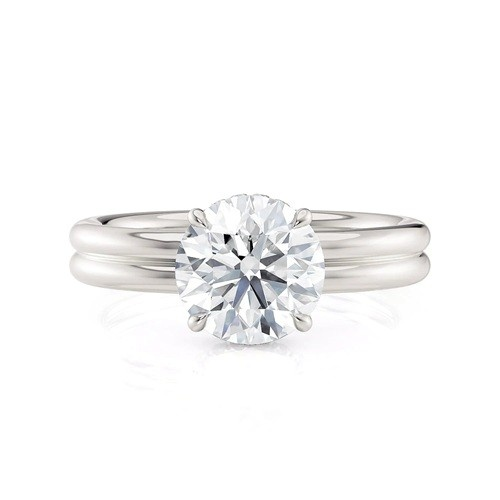
The first major decisions when choosing an engagement ring involve the center stone, setting style, and metal. Together, these elements determine how the ring looks, feels, and wears on your partner’s hand.
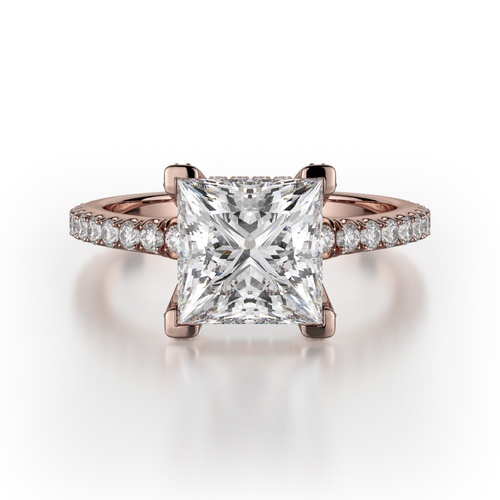
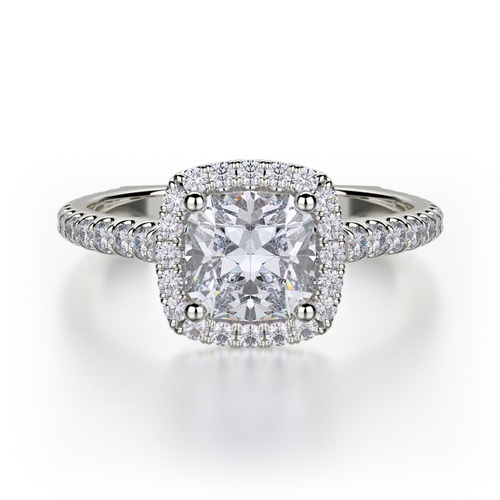
Classic styles remain popular for good reason. Solitaire rings feature one center stone with minimal decoration, making them versatile and easy to pair with a wedding band. Three-stone rings feature three prominent stones traditionally associated with the past, present, and future. Halo settings surround the center gemstone with smaller stones to increase sparkle and perceived size. Pavé settings place small diamonds closely along the band, while vintage-inspired rings incorporate details such as milgrain and filigree.
Center stone shapes also influence the ring’s appearance. Round brilliant diamonds remain a standard choice for maximum sparkle. Oval and marquise diamonds create an elongated appearance that can make the finger look longer. Emerald cuts produce broad, glass-like flashes of light, while Asscher cuts are known for their distinctive 58-facet structure. Cushion-cut diamonds can offer savings compared with round diamonds, while raw diamonds provide an unconventional, unpolished aesthetic.
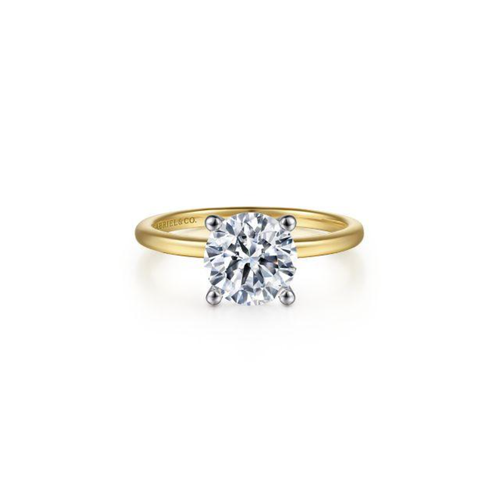
Metal choices establish the overall character of a ring. Platinum and gold are common choices, with yellow, white, and rose gold offering different appearances. Yellow gold has grown in popularity and now represents about 36.6% of engagement ring appraisals. Rose gold brings a warm blush tone, while platinum offers exceptional durability. Fourteen-karat gold can provide a cost-effective option for daily wear. Silver is generally better suited to fashion jewelry than engagement rings intended for constant wear.
Natural and lab-grown diamonds are another important consideration. Lab-grown diamonds are often less expensive than mined diamonds, allowing couples to allocate more of their budget toward size, setting, or design. A 1-carat natural diamond averages around $4,200, while a comparable lab-grown diamond can cost $1,000 or less. Colored gemstones also offer alternatives to traditional diamonds. Sapphires symbolize loyalty and nobility, while moissanite offers exceptional hardness and brilliance. Alexandrite changes color under different lighting, aquamarine offers a durable blue hue, and citrine is associated with joyful energy.
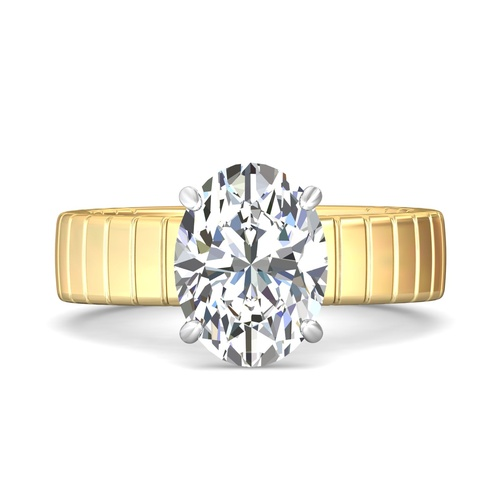
Rottermond’s bridal selection includes designer engagement rings from Gabriel & Co., Martin Flyer, and Michael M alongside Rottermond Custom creations.
How to Choose the Right Engagement Ring (And Ring Size)
Choosing an engagement ring should focus on your partner’s personal style rather than simply following current trends. The better question is not what is popular today, but what they will enjoy wearing for decades.
Look at their existing jewelry for clues. Do they prefer minimalist pieces or bold designs? Do they typically wear white metals, yellow gold, or rose gold? Do their accessories have classic details or more distinctive shapes? These observations can help narrow the choices.
Lifestyle matters, too. Someone who works with their hands or exercises frequently may benefit from a durable, low-profile setting. Bezel settings completely surround the center stone with a metal rim, offering additional protection and reducing the chance of snagging. Higher halos and delicate pavé designs may be better suited to someone whose daily activities are less demanding.
Set a budget before shopping so you can focus on the features that matter most. For sizing, discreetly borrowing a ring from the correct finger can help, as can a printable sizing guide or professional sizing at Rottermond’s Milford or Brighton showroom. Comfort-fit bands can be particularly useful for men's rings and wider styles. Couples can also coordinate metals without matching them exactly, such as pairing rose gold with white gold.
The Four Cs of Diamonds (And How to Prioritize Your Budget)
The GIA 4Cs: Cut, Color, Clarity, and Carat weight provide a standard framework for evaluating diamond quality. They apply to both natural and lab-grown diamonds and help explain differences in appearance and price.
Cut should receive particular attention because it determines how efficiently a diamond interacts with light. Brilliance, fire, and scintillation depend heavily on cut quality. An excellent-cut 0.90-carat diamond can look more impressive than a poorly cut 1.00-carat stone while potentially costing less.
Color ranges from D, which is colorless, through Z, which displays more noticeable yellow. Near-colorless grades such as G, H, and I can appear white to the naked eye. Yellow and rose gold can also make warmer diamond colors appear harmonious with the setting.
Clarity measures internal and external characteristics. Many VS2 and SI1 diamonds are eye-clean, meaning inclusions are not visible without magnification. Choosing an eye-clean stone instead of pursuing the highest clarity grade can help preserve the budget for other priorities.
Carat refers to weight, but it does not determine visual size by itself. Shape and setting influence how large a diamond appears. For example, a 1.00-carat oval in a halo setting can have greater visual presence than a 1.00-carat round solitaire.
If sparkle is the priority, put more of the budget toward cut. If size matters most, an oval or marquise lab-grown diamond can offer substantial visual presence. For a tighter budget, a 14K yellow gold solitaire with an eye-clean lab-grown diamond can provide strong visual impact. Rottermond’s diamond specialists can compare certified stones side by side and explain the Four Cs in person.
Custom Engagement Rings and Rottermond Custom Design
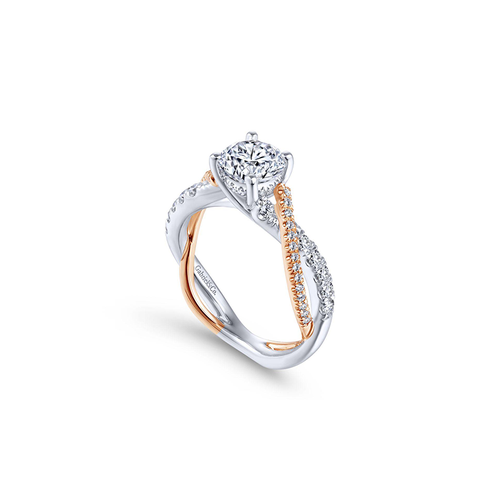
Custom engagement rings are an option for couples who want a design connected to a particular story. A family diamond can be reset, architectural details can inspire a new setting, or several favorite design elements can be combined into one ring.
Rottermond Custom begins with a consultation at the Milford or Brighton showroom, followed by sketching or CAD renderings, stone selection, and final approval before casting. Couples can choose from options including lab-grown diamonds and incorporate personalized details such as a hidden rose gold halo, vintage milgrain, or a twisted band.
A custom design can also combine elements from Gabriel & Co. or Martin Flyer with individualized details. The process does not necessarily mean spending more; selecting specific metals, diamond shapes, and decorative elements can help control the final cost.
Custom work can also give an existing family stone a new purpose. For example, an heirloom diamond can be reset into a modern solitaire while a matching wedding band is created at the same time. The result is a ring with personal history and a design suited to the wearer.
Rottermond's Bridal Collections, Services, and Special Engagement Offer
Rottermond Jewelers serves couples throughout Milford and Brighton. Its bridal selection includes designer engagement rings, coordinating wedding bands, Rottermond Custom creations, Gabriel & Co., Martin Flyer, Michael M, and certified loose diamonds.
Rottermond’s services extend beyond the initial purchase. Professional appraisals can support insurance needs, while insurance replacement services can assist with custom recreation. In-house jewelry repair and on-premise engraving provide additional support for maintaining and personalizing the rings. Flexible financing and layaway options can also help couples manage their jewelry budget alongside other wedding expenses.
Beyond the Proposal: Matching Wedding Bands and Everyday Wear
An engagement ring is only the beginning of the bridal set. Considering the wedding band early helps ensure that both rings sit comfortably together and remain practical for everyday wear.
Curved and notched bands can accommodate halos and three-stone settings, while straight pavé wedding bands pair naturally with many solitaire designs. Mixing metals can create contrast, such as a rose gold wedding band paired with a white gold engagement ring. Men's and women's bands do not need to match exactly; shared metal tones, finishes, or engraving can create a visual connection.
Proper care is equally important. Routine cleaning, avoiding harsh chemicals, and annual prong inspections can help preserve the ring. Professional maintenance at Rottermond’s showrooms can keep settings secure and stones bright. On-premise engraving allows couples to add dates, coordinates, or a private phrase inside a band.
As anniversaries pass, couples can also update their rings. An eternity band can mark a milestone anniversary, or an older setting can be redesigned while keeping the original center stone. A well-chosen engagement ring can evolve alongside the relationship.
Visit Rottermond Jewelers in Milford or Brighton to Start Your Engagement Story
Engagement rings represent more than fine jewelry. They serve as daily reminders of a promise and the life a couple has chosen to build together. Working with a family-owned jeweler can make the process more personal, from selecting a diamond to determining the right setting and planning for a wedding band.
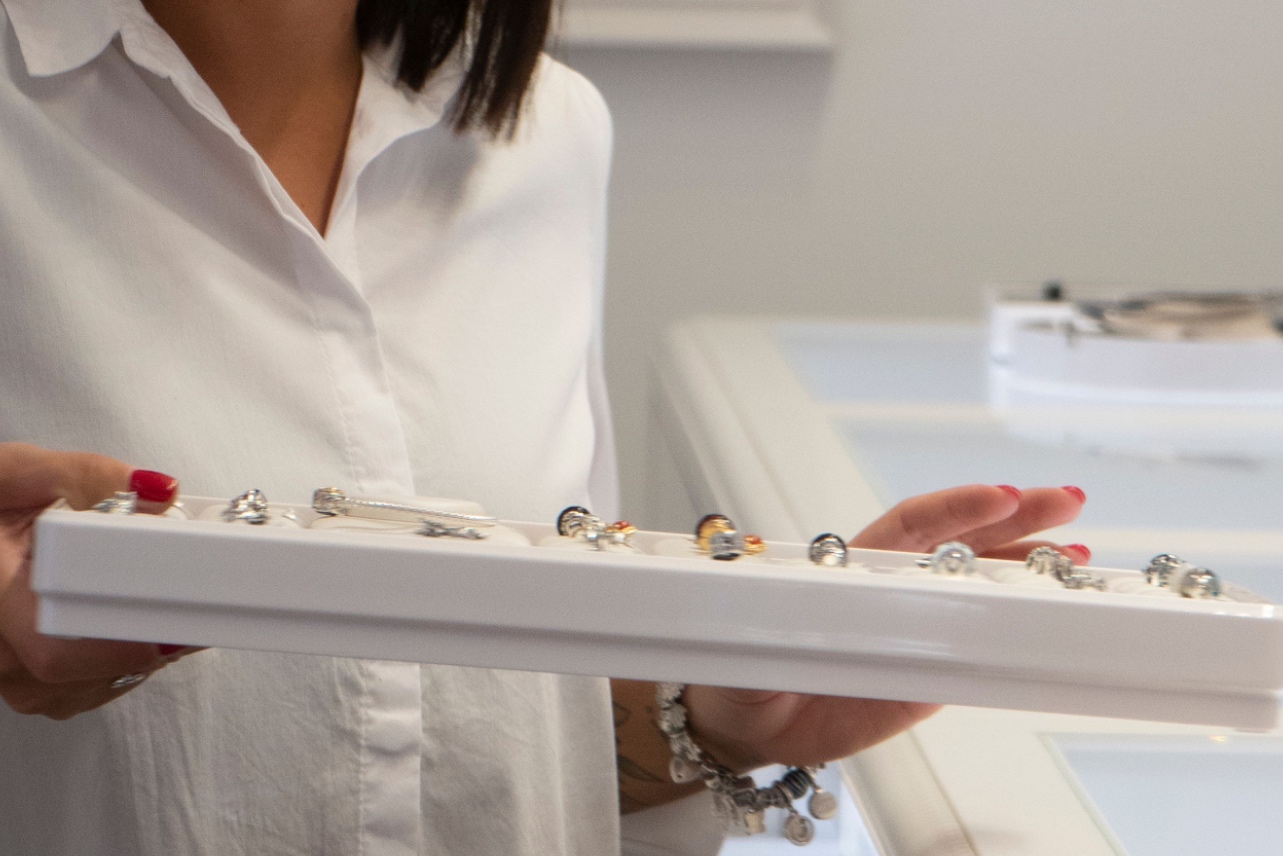
Couples throughout Southeast Michigan can visit Rottermond’s Jewelers Milford or Brighton showroom. The collections include designer engagement rings, Rottermond Custom designs, Alpha lab-grown diamonds, and rose gold, white gold, and platinum settings.
Start planning your proposal and ring selection by visiting one of our stores or contacting us to schedule a personalized appointment.